
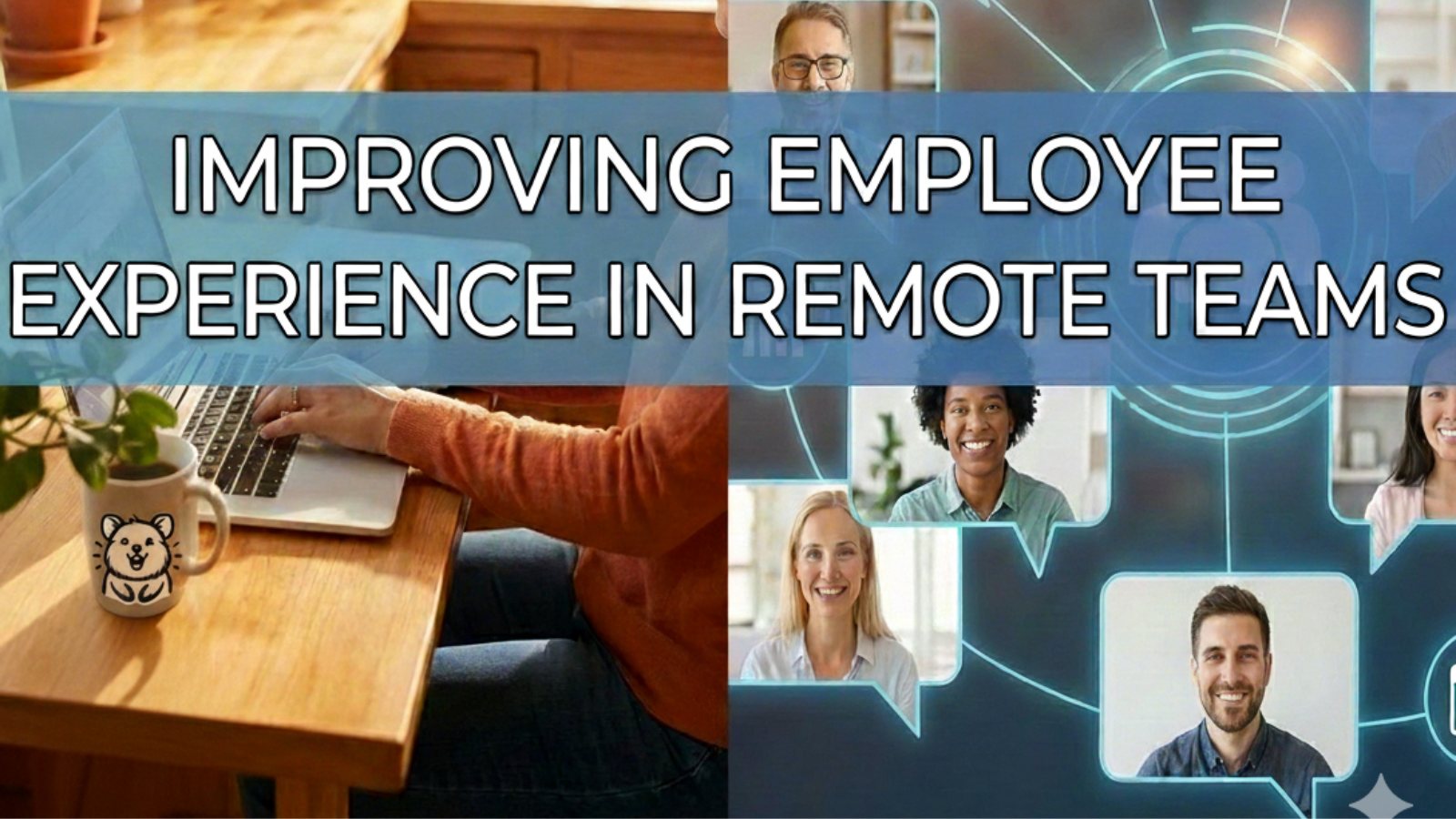
According to Pew Research, about 14% of adults ages 18 and older are working from home in the US. Kitchen tables are doubling as desks, and video calls have replaced conference rooms. In this working environment, employee experience (EX) is more important than ever. As businesses continue to embrace remote and hybrid work, the traditional methods of engagement and connecting with teams are being put to the test.
How do you motivate a team when their only interaction is through a screen? How do you maintain a strong company culture when employees are scattered across cities, or even countries?
These are the challenges facing today’s leaders, and they require a fresh and innovative approach to employee engagement. In this article, we'll explore the complexities of managing remote and hybrid teams, uncover best practices for keeping employees connected, and highlight the tools and techniques that can turn virtual workspaces into thriving communities. Whether your team is fully remote, hybrid, or somewhere in between, understanding and enhancing employee experience is key to fostering a resilient, committed, and productive workforce.
Trying to keep employees engaged in their work when they are not physically present in the office can present a specific set of challenges. There are definitely pros and cons of both in-person and remote work models; however, remote and hybrid are more likely to create a sense of isolation, which can lead to disengagement if not managed properly.
With the absence of face-to-face interactions, it can be more difficult for employees to build relationships with their colleagues. It can also be a challenge to feel connected to their company’s culture and values when they aren’t seeing them physically demonstrated. There is also a higher likelihood of broken communication, with remote employees potentially missing out on important information or feeling excluded from decision-making processes.
Another significant challenge is managing the varied needs and expectations of employees in a remote environment. Some employees may thrive working in a remote setting and enjoy the flexibility it offers. Others may struggle with the lack of structure and face-to-face interactions. Balancing these needs requires a strategic and thoughtful approach to ensure that all employees, regardless of their work location, feel supported and engaged.
Keeping remote and hybrid teams connected and engaged isn’t just about maintaining business as usual—it’s about rethinking how we manage and support our people. Building a strong sense of community is key, and that means going beyond the standard work meetings. Regular check-ins, virtual team huddles, and even casual online hangouts like virtual coffee breaks can make a big difference. It’s all about creating those moments where people can connect, share, and feel part of something bigger, even from a distance.
Transparency and open communication are also crucial. Remote employees need to feel like they’re in the loop and that their voices matter. Keeping everyone informed and involved not only builds trust but also strengthens their connection to the company’s mission and culture.
Providing the right tools is another big piece of the puzzle. Investing in quality communication platforms, project management tools, and collaboration software makes remote work smoother and more efficient. And don’t forget about growth. Offering training and development opportunities tailored to remote work helps your team build the skills they need to thrive.
Don’t underestimate the power of recognition. A simple shoutout during a team meeting, a virtual award, or a personalized thank-you message can boost morale and reinforce that remote employees are valued and appreciated. When people feel seen and celebrated, they’re more likely to stay engaged and committed to the company’s success.

Finding ways to bring your employees closer together and build a team mentality is a challenge when working remotely. Virtual team-building activities, such as icebreakers at the start or meetings, virtual escape rooms, trivia nights, or team challenges, are a great way to foster a sense of camaraderie and make employees feel connected. The trick is to pick activities that resonate with your team’s unique interests and create space for collaboration and fun.
But team-building goes beyond just planned events. It’s about creating a virtual workspace that feels dynamic and engaging every day. Communication tools like Slack, Microsoft Teams, and Zoom are essential here. They’re not just for meetings or project updates but also for those casual, spontaneous interactions that make work feel more human. Think dedicated channels for non-work chats or virtual happy hours where people can unwind and connect on a personal level.
Creating rituals and routines is another great way to keep the team spirit alive. Regular virtual stand-ups, weekly “show and tell” sessions where team members share what they’re working on and their hobbies, and monthly “town hall” meetings for company updates can help maintain a strong sense of connection. When these touchpoints become a regular part of your team’s day-to-day, remote employees are more likely to feel engaged, included, and part of something bigger than just their tasks.
A common problem among remote teams is trust. The concept is still new enough that leaders are often concerned that employees are slacking off at home or doing other activities during work hours.
According to Deskbird, 58.9% of workers say they trust their colleagues less in a remote work model. This demonstrates the importance of building trust within every aspect of your remote work environment.
In a remote or hybrid setup, people have different schedules, responsibilities, and work styles. Giving employees the flexibility to choose how, when, and where they work helps them find that sweet spot between their professional duties and personal lives. This balance isn’t just nice—it’s essential for keeping job satisfaction and engagement high.
Managers need to trust their employees to manage their time and get the job done without hovering over them. Shifting from a clock-watching approach to one that focuses on outcomes and performance is key. When employees feel trusted, they’re more likely to take ownership of their work, stay motivated, and be committed to the company’s success.
As remote and hybrid work continue to reshape the way we do business, prioritizing employee experience is no longer optional—it's essential. By implementing the right strategies and tools, you can keep your team engaged, connected, and motivated, no matter where they are. If you're looking to make a real impact and effectively engage your remote teams, consider partnering with an employee experience consultant like Quokka Hub to provide tailored solutions to help you navigate these challenges and build a thriving, resilient workforce.
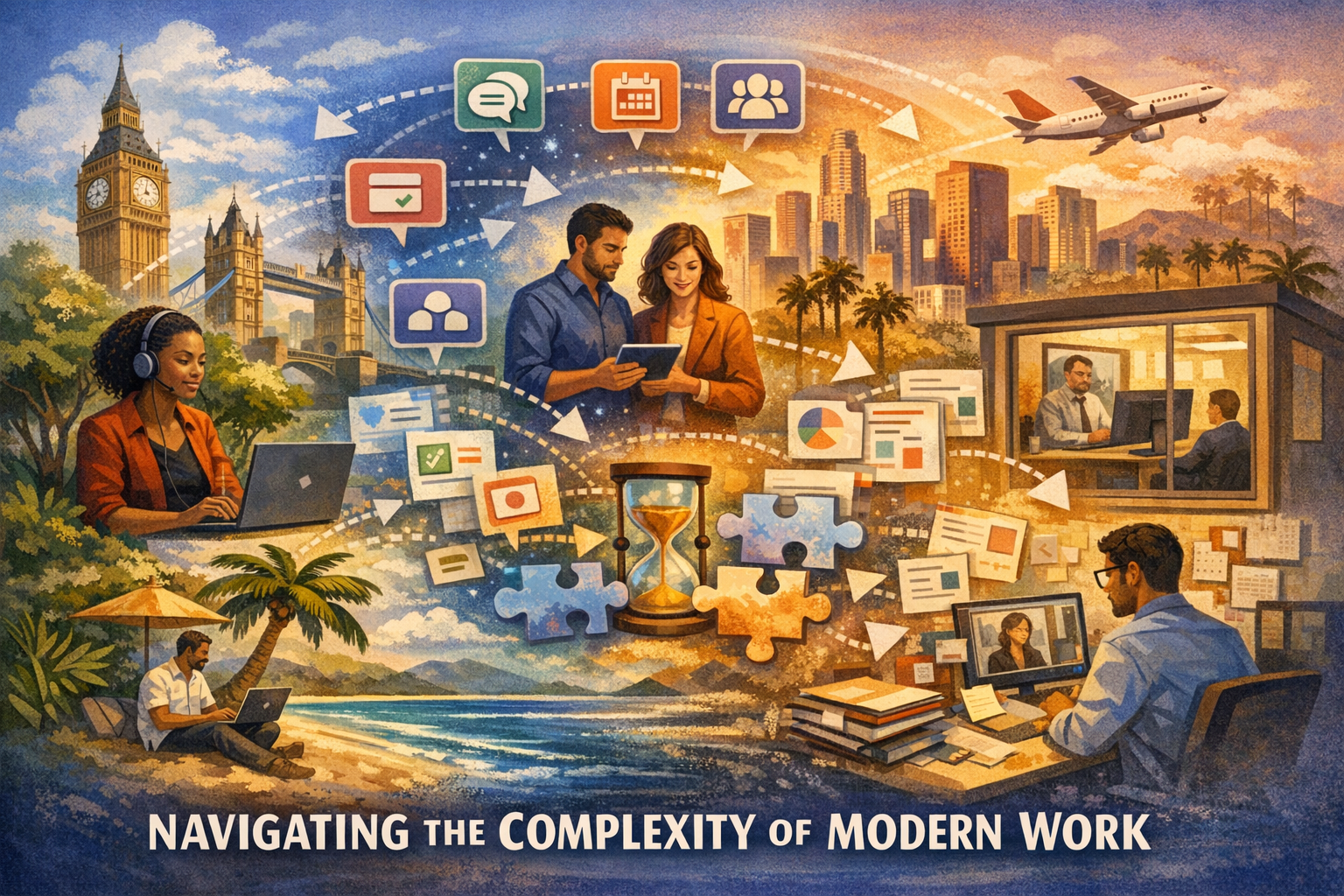
Fragmented tools are quietly killing distributed team productivity. Organizational design strategist Michael Franco, founder of Quokka Hub, shares how centralized platforms deliver measurable improvements in work-life balance, communication, and team connection without micromanagement or forced engagement.
A snapshot of how remote and hybrid work are redefining employee experience and the strategies leaders can use to keep teams connected, motivated, and thriving from anywhere.

Leadership is the single biggest driver of employee engagement — yet most businesses treat it as an HR problem. This guide breaks down which leadership styles actually work, how to adapt your approach to individual personalities, and the five practices that consistently move the needle on team motivation.