

Candidate-driven markets will always return.. Keeping your employees happy and engaged isn't just a feel-good initiative, it's actually a critical strategy for attracting and retaining top talent. Here's why investing in employee engagement delivers a significant return on investment (ROI).
Engagement: The Competitive Advantage
Employee engagement goes beyond offering ping pong tables and free lunches (although those can be nice perks!). It's about creating a work environment where employees feel valued, motivated, and empowered to do their best work. In a competitive job market, companies with a strong employer brand built on employee engagement will have a significant advantage in attracting and retaining the best talent.
The Numbers Speak for Themselves
Here's a glimpse into the financial benefits of a highly engaged workforce, according to studies by Gallup:
Lower Turnover is Money Saved
Employee turnover is expensive. Replacing a departing employee can cost up to one-third of their annual salary. Engaged employees are more likely to stay with the company, leading to significant cost savings. Here's a source to support this claim:
Happy Employees Mean Happy Customers
Engaged employees are more invested in providing excellent customer service, leading to higher customer satisfaction and loyalty.
Innovation: The Engine of Growth
Engaged employees are more likely to think outside the box, be creative, and contribute to innovation. This can lead to a competitive edge for your business.
ROI Beyond the Bottom Line
While the financial benefits are undeniable, employee engagement offers a broader ROI:
Making the Investment
Investing in employee engagement doesn't require a massive overhaul. Here are some starting points:
Investing in Your People, Investing in Success
Employee engagement isn't a cost - it's an investment with a significant ROI. By creating a work environment that fosters engagement, you're investing in your most valuable asset, your people. This, in turn, leads to a happier, more productive workforce, and ultimately, a successful and thriving business that can attract and retain top talent in this competitive market.
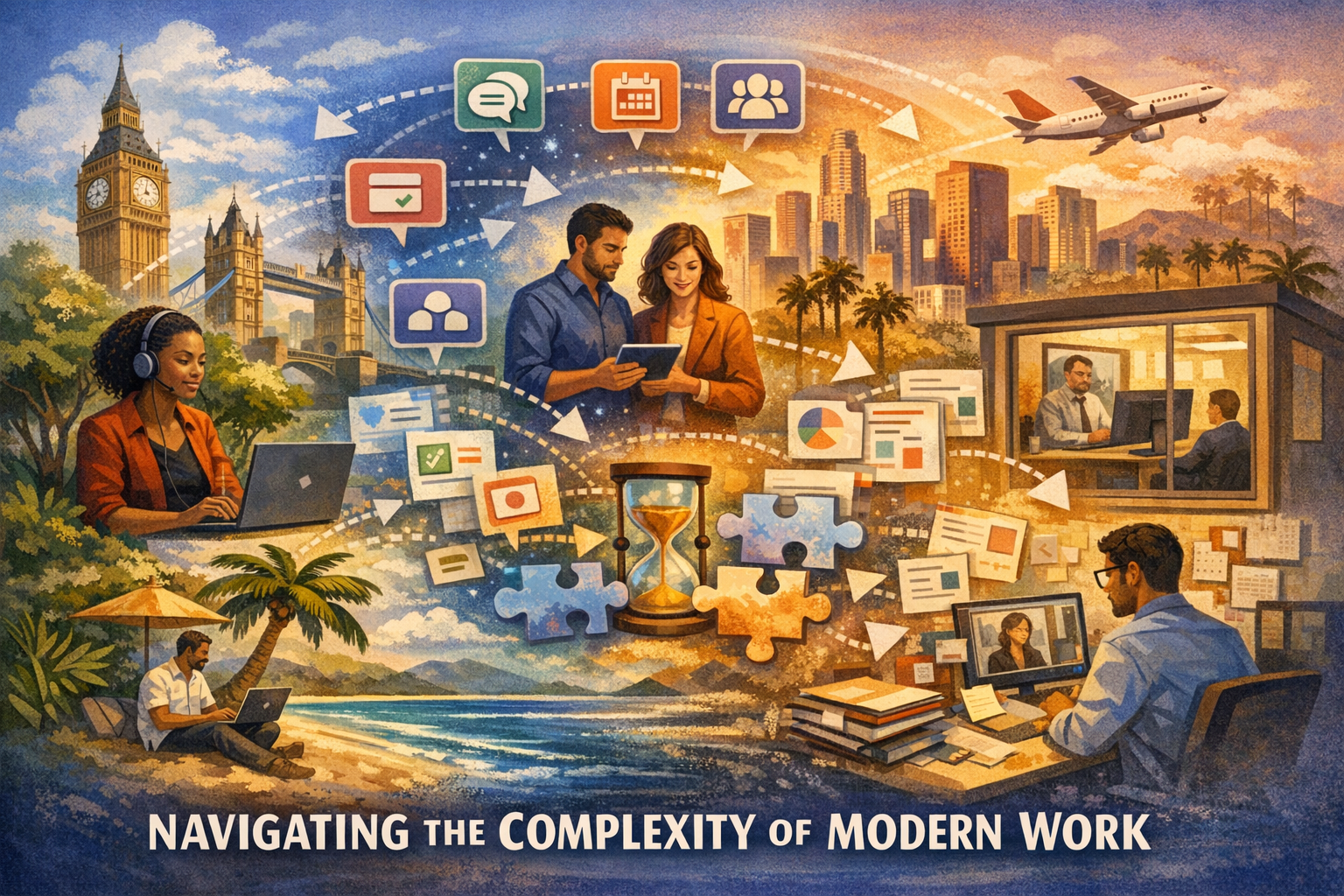
Fragmented tools are quietly killing distributed team productivity. Organizational design strategist Michael Franco, founder of Quokka Hub, shares how centralized platforms deliver measurable improvements in work-life balance, communication, and team connection without micromanagement or forced engagement.
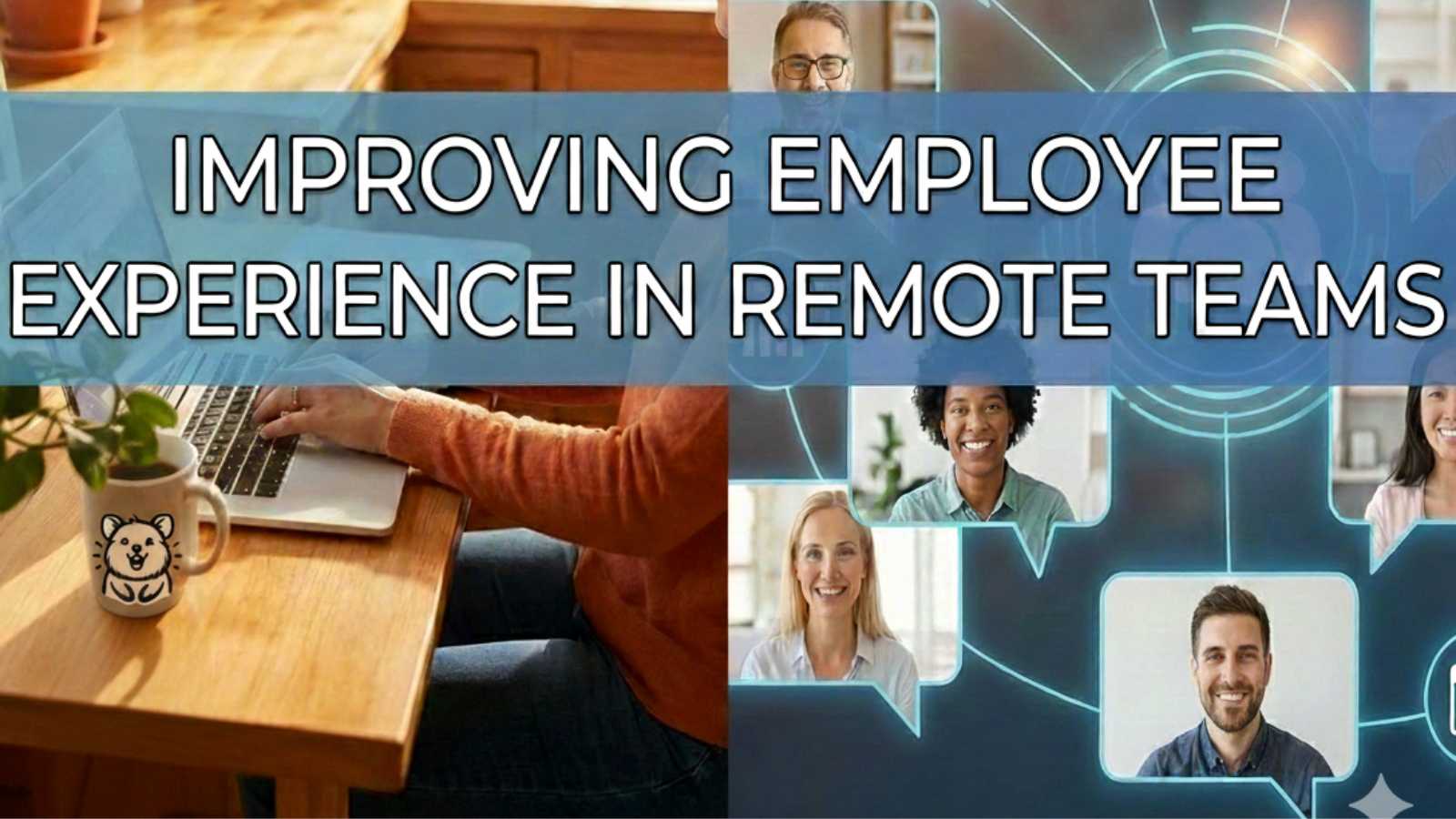
A snapshot of how remote and hybrid work are redefining employee experience and the strategies leaders can use to keep teams connected, motivated, and thriving from anywhere.

Leadership is the single biggest driver of employee engagement — yet most businesses treat it as an HR problem. This guide breaks down which leadership styles actually work, how to adapt your approach to individual personalities, and the five practices that consistently move the needle on team motivation.